SAKAR - A Trusted Name for Waste Water Solutions

SAKAR - A Trusted Name for Waste Water Solutions
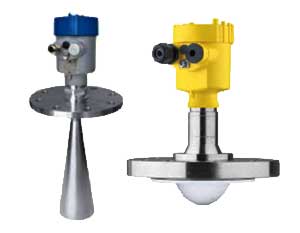
Radar level transmitters are used to measure the level of liquids, slurries, and solids in various industrial applications. They operate on the principle of radar technology, which involves the transmission and reception of microwave signals to determine the distance between the transmitter and the surface of the material being measured.
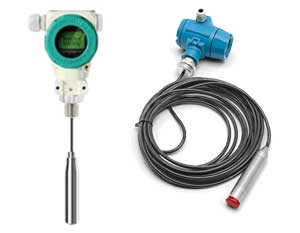
Hydrostatic level transmitters are used to measure the level of liquids in tanks, vessels, and other containers. They operate on the principle of hydrostatic pressure, which is the pressure exerted by a fluid at rest due to the force of gravity. The transmitter consists of a sensor that is placed at the bottom of the container and a transmitter unit that is located outside the container. The sensor measures the pressure exerted by the liquid above it, which is proportional to the height of the liquid column. The transmitter unit converts this pressure measurement into an electrical signal that can be used for monitoring and control purposes.
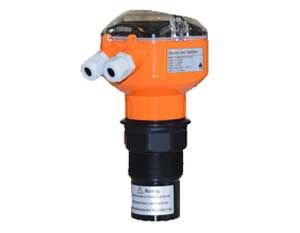
Ultrasonic level transmitters are used to measure the level of liquids in tanks, vessels, and other containers. They operate on the principle of ultrasonic waves, which are sound waves with frequencies higher than the audible range for humans. The transmitter emits ultrasonic pulses towards the surface of the liquid, and the time taken for the pulses to be reflected back to the transmitter is measured. This time is then converted into a distance measurement, which corresponds to the level of the liquid in the container.

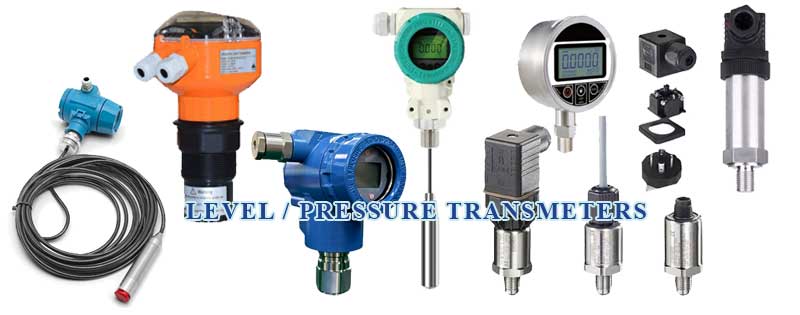
Pencil type pressure transmitters are compact and versatile devices used to measure pressure in various industrial applications. They are designed in a slender, pencil-like shape, making them easy to install in tight spaces. These transmitters typically consist of a sensing element, a signal conditioning circuit, and an output interface. The sensing element detects the pressure applied to it and converts it into an electrical signal. The signal conditioning circuit amplifies and processes the signal to ensure accurate readings. The output interface allows the transmitter to communicate the pressure measurement to a control system or display device.
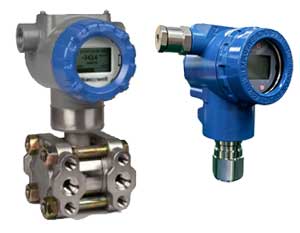
Smart pressure transmitters are advanced devices used to measure pressure in various industrial applications. They are equipped with intelligent features that enhance their functionality and performance. These transmitters typically consist of a sensing element, a microprocessor, and an output interface. The sensing element detects the pressure applied to it and converts it into an electrical signal. The microprocessor processes the signal, performs calculations, and provides additional functionalities such as diagnostics, calibration, and data logging. The output interface allows the transmitter to communicate the pressure measurement to a control system or display device using various communication protocols.